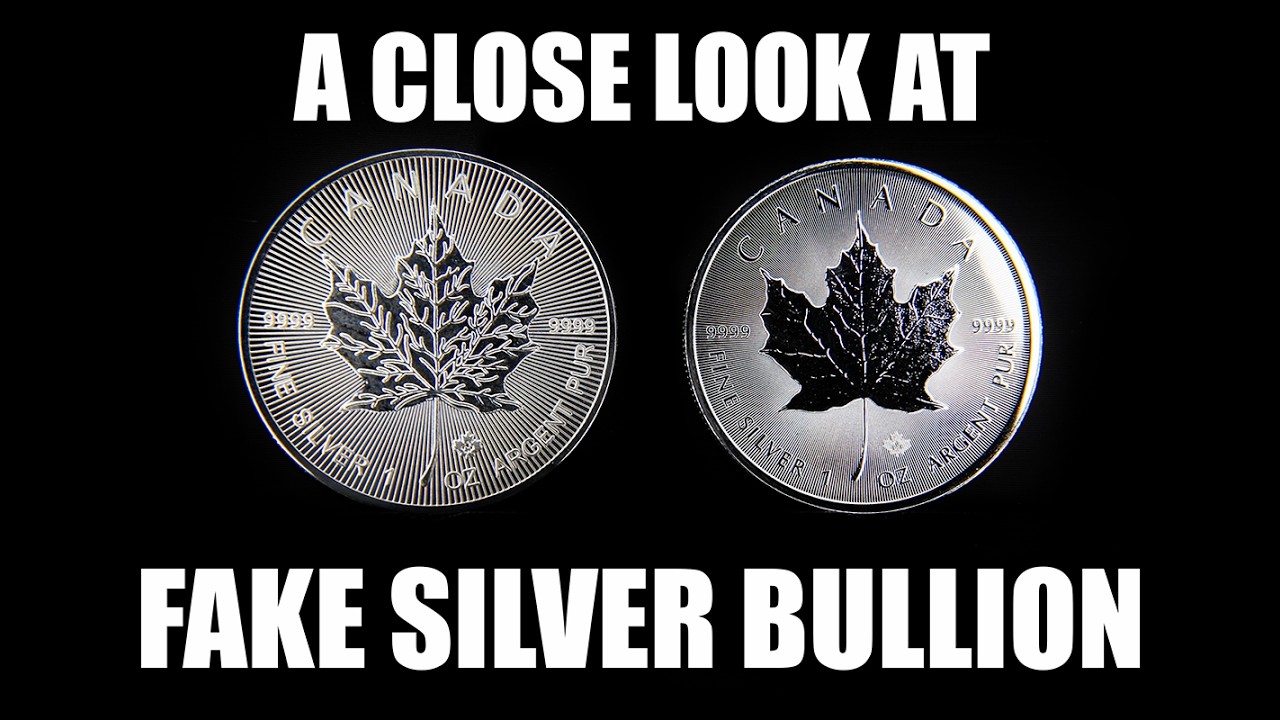
What happens when you eventually sell your gold or silver? The answer depends on what you own and your circumstances, not simply on whether it contains precious metal. This companion to the February 2026 video separates the main categories and points to HMRC’s guidance for the details.
Start with the type of coin
HMRC distinguishes sterling currency from foreign currency and coins which are no longer legal tender. Its Capital Gains Manual specifically identifies Sovereigns minted in 1837 and later years and gold Britannias as exempt sterling currency. Other UK legal-tender bullion coins should be checked against their precise sterling status.
A foreign legal-tender coin is not made exempt merely by being a coin. The manual uses Krugerrands as an example of non-sterling currency which is a chargeable asset. Chargeable does not automatically mean a tax bill: the calculation still depends on gains, losses and available allowances.
The annual allowance and the £6,000 rule are different
For individuals, the annual exempt amount shown by HMRC for 2026–27 is £3,000. That concerns overall taxable gains, not the total value of bullion sold. It is separate from the rules for qualifying personal possessions, often called chattels.
HMRC says coins which are not legal tender can fall within the chattels rules, and warns that several coins may form a set. It also says the chattels exemption does not apply to non-sterling currency. The phrase “every sale below £6,000 is tax-free” is therefore not a reliable rule for a bullion stack.
Records make the eventual decision easier
Keep purchase dates, costs, descriptions, sale proceeds and relevant expenses. A collector’s artistic piece, a bullion holding and a coin which is currency may need different analysis; a high premium alone should not be treated as a tax exemption.
The video explores these distinctions and some disputed interpretations. This draft deliberately avoids presenting a grey area as settled law. Check the linked HMRC guidance and obtain advice for a significant disposal or an unusual item, especially where regular dealing could amount to a trade.